Stewarding biodiverse habitat in the Greater Cincinnati region
We are a group of neighbors dedicated to the idea that our community can be a thriving, healthy habitat for a wide diversity of human and non-human residents. Working collectively, we propagate thousands of native plants each year, design publicly accessible habitat gardens, give plants away to Northsiders for free, and care for our existing wild spaces.
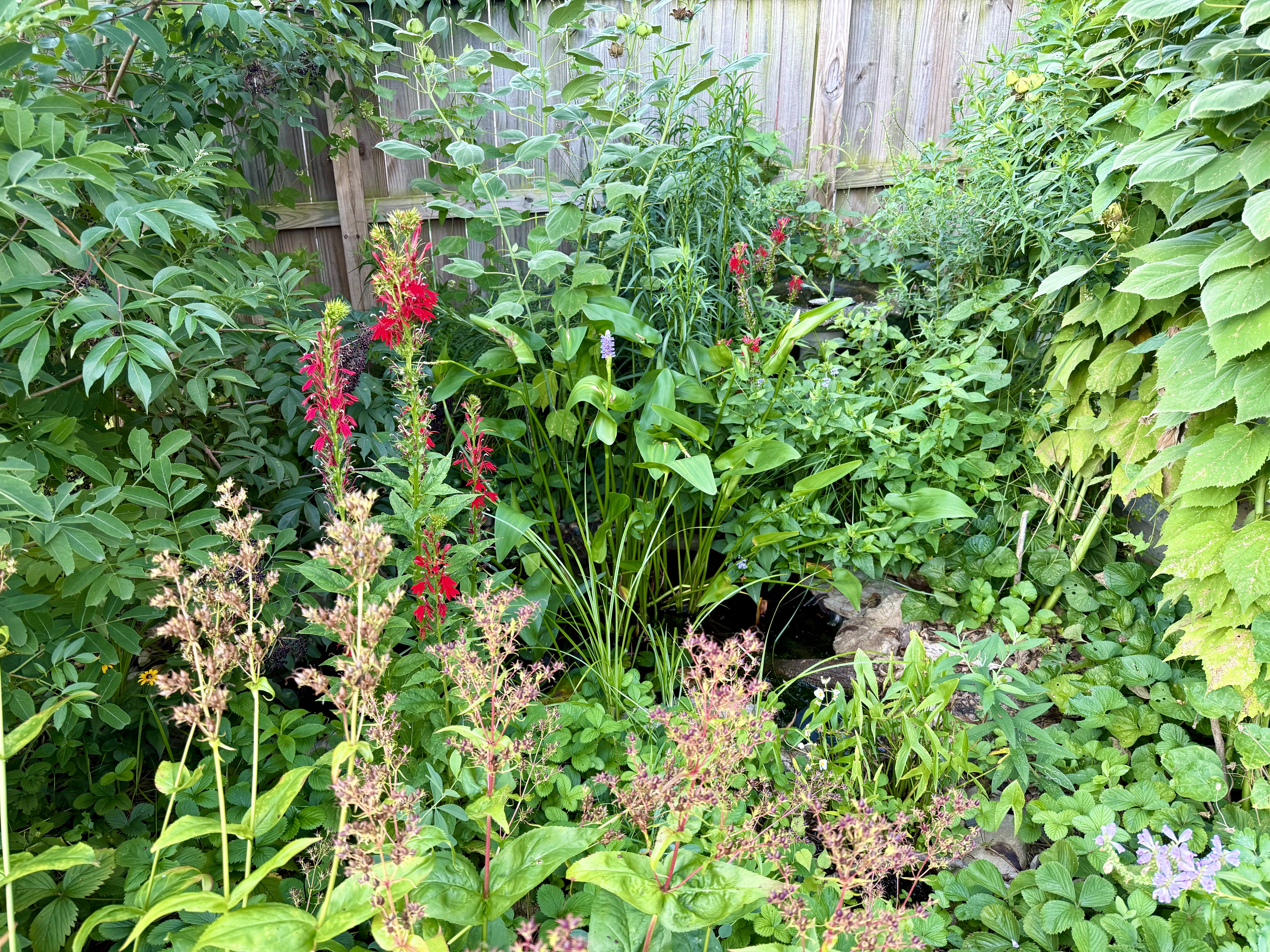
Cardinal Flower
Lobelia cardinalis
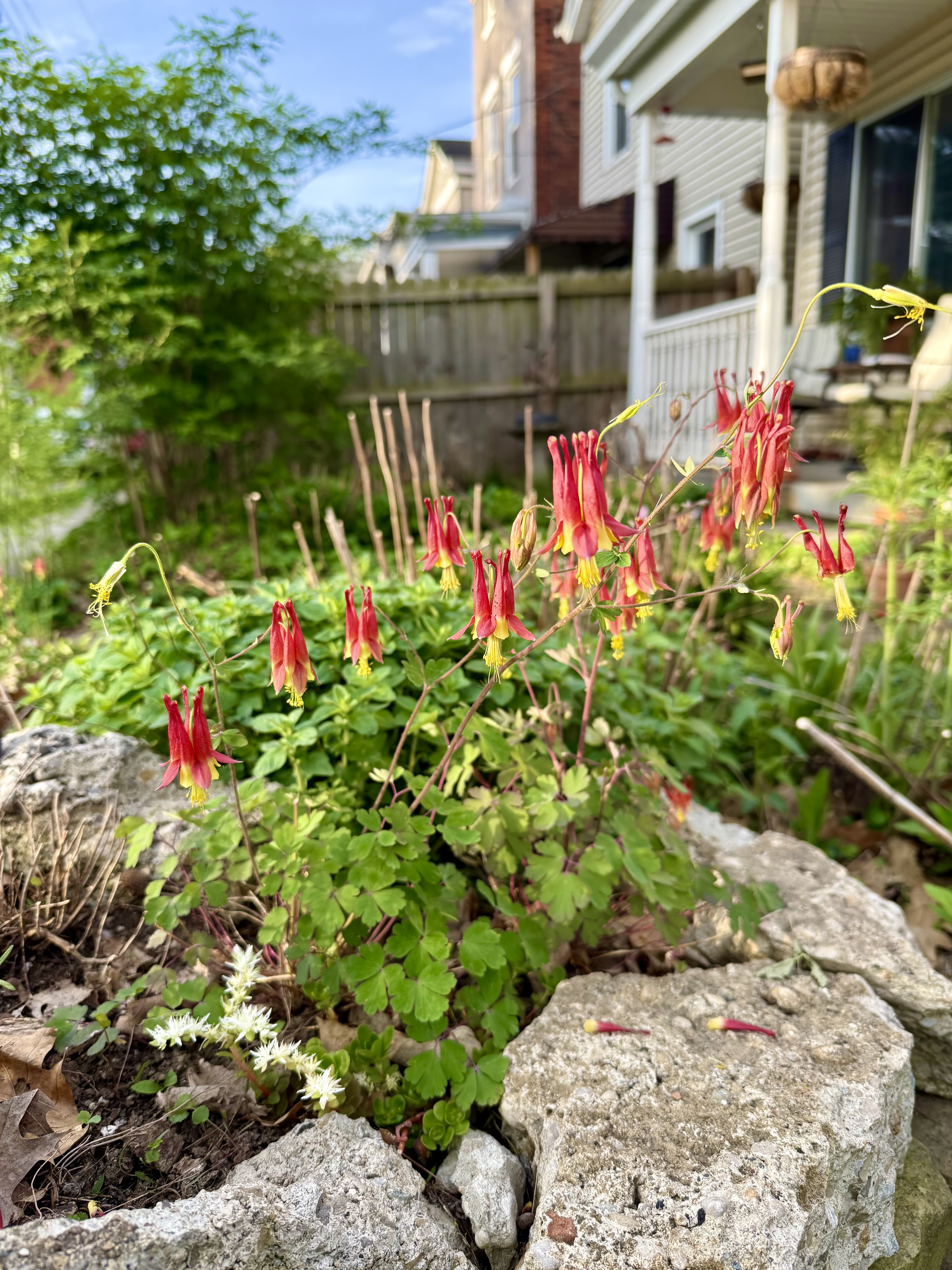
Red Columbine
Aquilegia canadensis
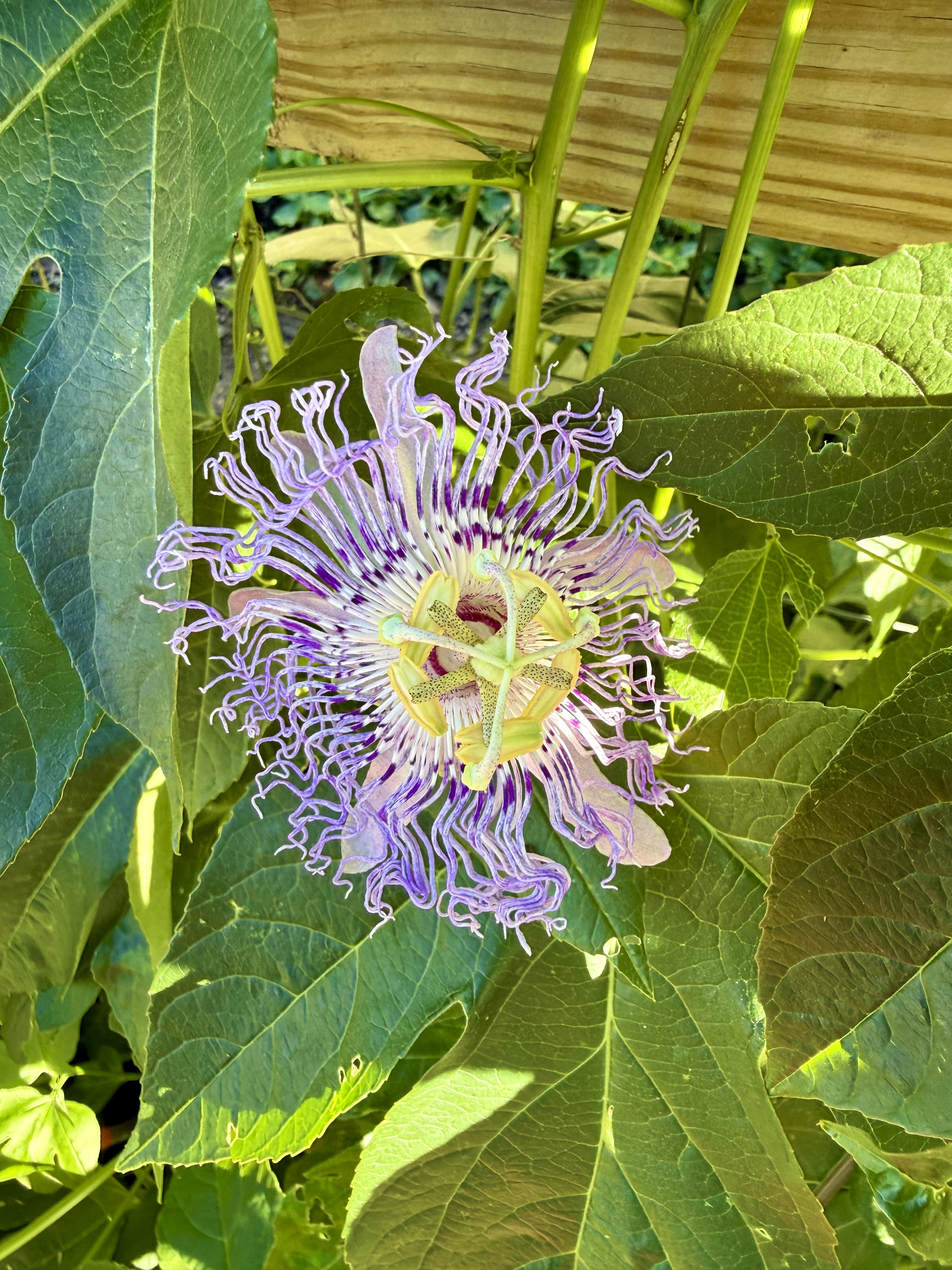
Passionflower
Passiflora incarnata
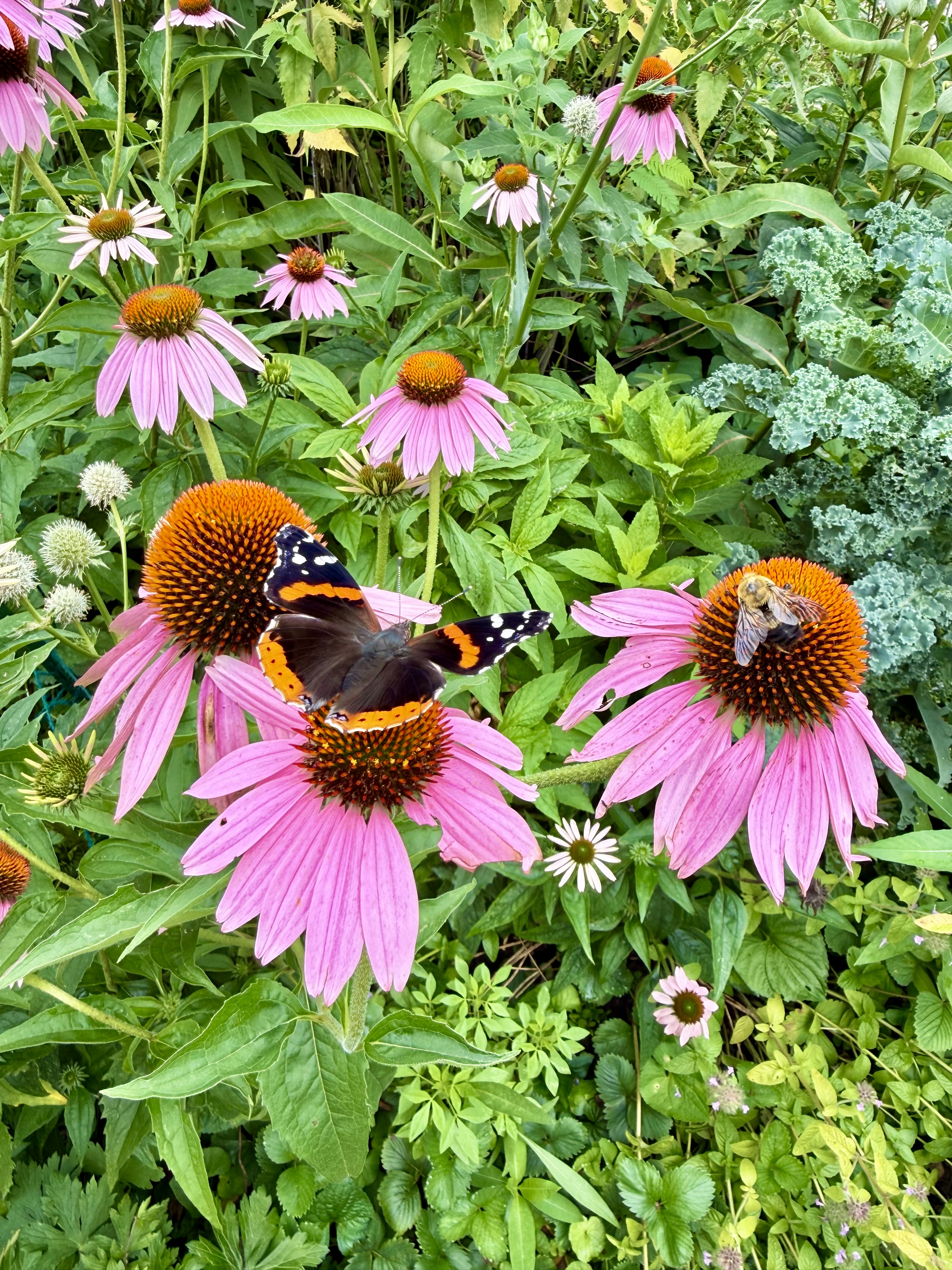
Purple Coneflower
Echinacea purpurea
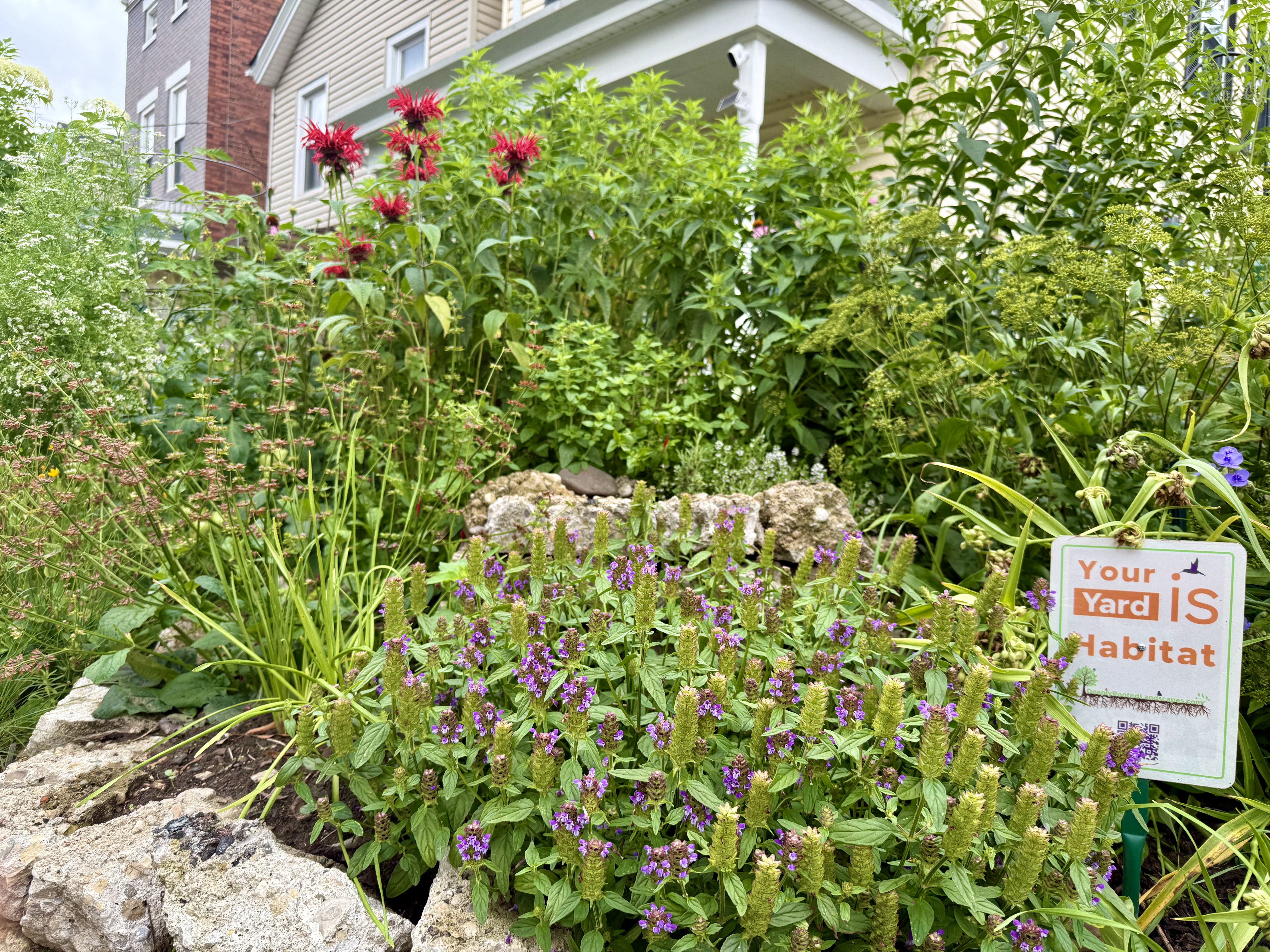
Bee Balm & Self Heal
Monarda & Prunella
Who We Are
A community-led effort to rewild our city. Read more about our purpose and why we focus exclusively on native plants.
Propagating Native Flora
We operate a distrubted, free, native plant nursery specifically rewilding Northside.
Document Database
Explore a list of other local and national organizations aligned with our work, an extensive database of native plants, and other helpful resources.
Join the WILD CITY Project
Want to get started propagating native plants for your community?
Our Vision
Cincinnati, Ohio will be a city teeming with a vast diversity of life, including humans enmeshed within, reliant upon, caring for, and thriving in this renewed ecosystem.
Why Grow Native Plants
Native plants host a dazzling array of soil organisms, fungi, and insect species. This complex soil ecosystem sequesters carbon, keeping it safely in the ground instead of in our already-overloaded atmosphere. Native plants are also the basis of the food web, feeding insects, birds, and mammals which in turn feed other predatory animals. This incredible diversity of life–which is dependent on native plants–is one of Earth’s key stabilizing systems. Native flora and fauna work together to engineer resilient ecosystems that can better withstand the extremes of our climate. These resilient ecosystems are also more productive, creating more food, cooling our immediate climate, cleaning our air and water, producing humidity and rainfall, retaining groundwater, consuming and filtering waste, and pollinating our food crops. These are all ecosystem services without which we could not live.
Although, introduced or non-native plants from another state or continent may be beautiful, they did not evolve over millennia together with the particular insects, fungi, and animals here to form our local ecosystem. These introduced species do not function as part of a resilient ecosystem, but rather tend to degrade it. Areas dominated by introduced plants—including turf grass lawns–are ecological waste lands which are neither resilient nor productive. Living in a functional ecosystem is a human right. We can all play a small, but incredibly meaningful role in restoring our own area’s ecosystem by planting native species and caring for them on as much land as we can spare.
“There can be no purpose more enspiriting than to begin the age of restoration, reweaving the wondrous diversity of life that still surrounds us.” - E.O. Wilson
Our Mission
Wild City will create a network of rewilding showcases in Northside, from the smallest scale balcony planter to large public spaces. These showcase habitats will serve both as laboratories to test the efficacy of rewilding initiatives and as educational sites to inspire replication of successful trials. Exemplar habitats focus on strategies for rewilding particularly degraded, ignored, and underutilized sites such as alleys, medians, human structures, lawns, dumps, vacant lots, formal and informal communal spaces, neglected waterways, and other liminal, quasi-public spaces.
Wild City aims to create and disseminate replicable models of community-led and community-sustaining rewilding efforts in our urban areas. We will accomplish this by creating a network of hyper-local neighborhood chapters engaged in a combination of native plant propagation, habitat creation and restoration on both private and public lands, conservation efforts in existing wild spaces, and education campaigns aimed at shifting our cultural mindset from an extractive ownership model towards one that sees humans as an integral part of nature.
Neighborhood Gallery
See the plants we've grown in the landscape throughout Northside
Wild Red Columbine
Aquilegia canadensis
Purple Coneflower
Echinacea purpurea
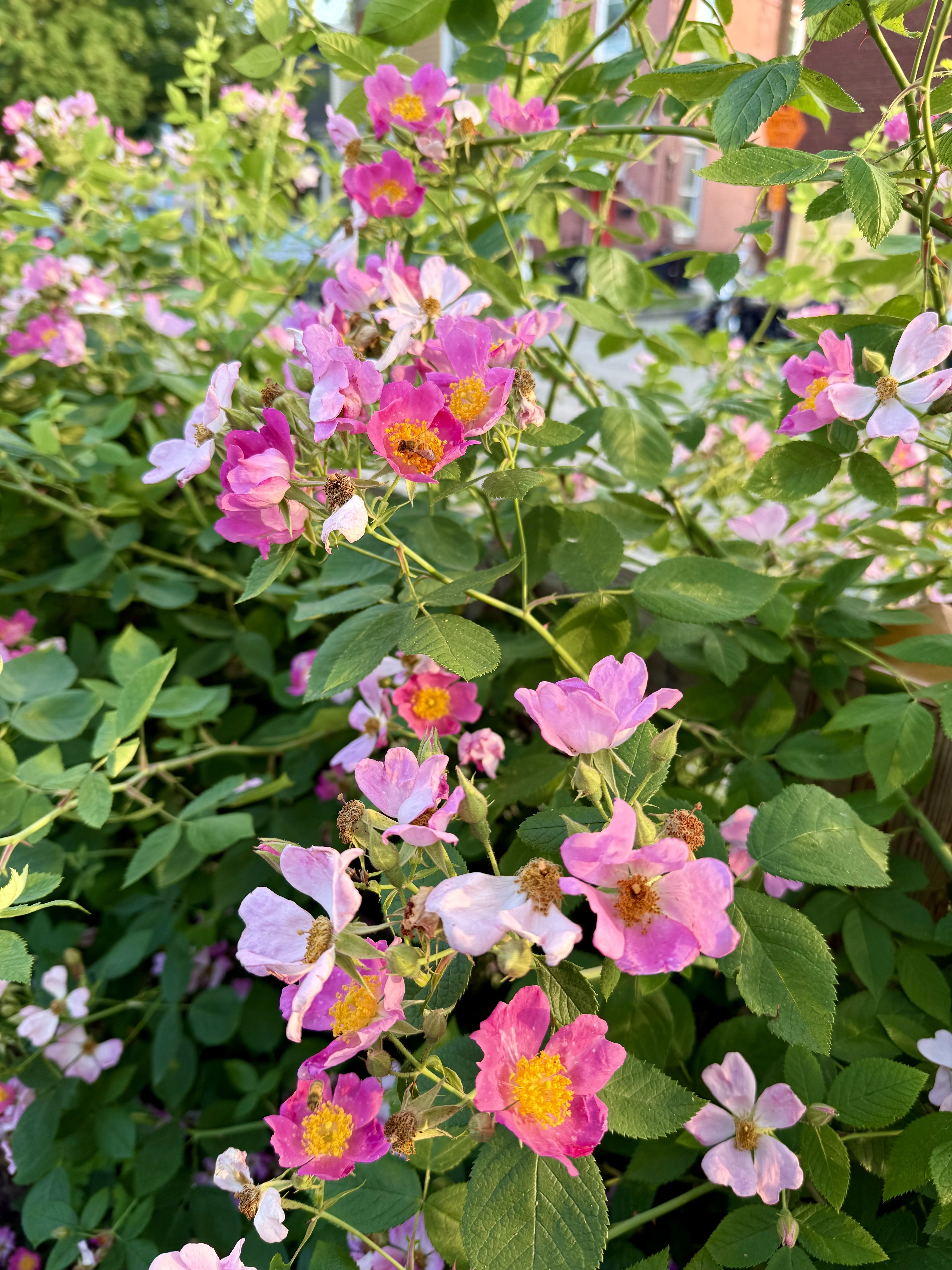
Prairie Rose Bloom Close-Up
Rosa setigera
Cardinal Flower
Lobelia cardinalis
Purple Passionflower
Passiflora incarnata
Garden with Bee Balm & Self Heal
Monarda didyma & Prunella vulgaris
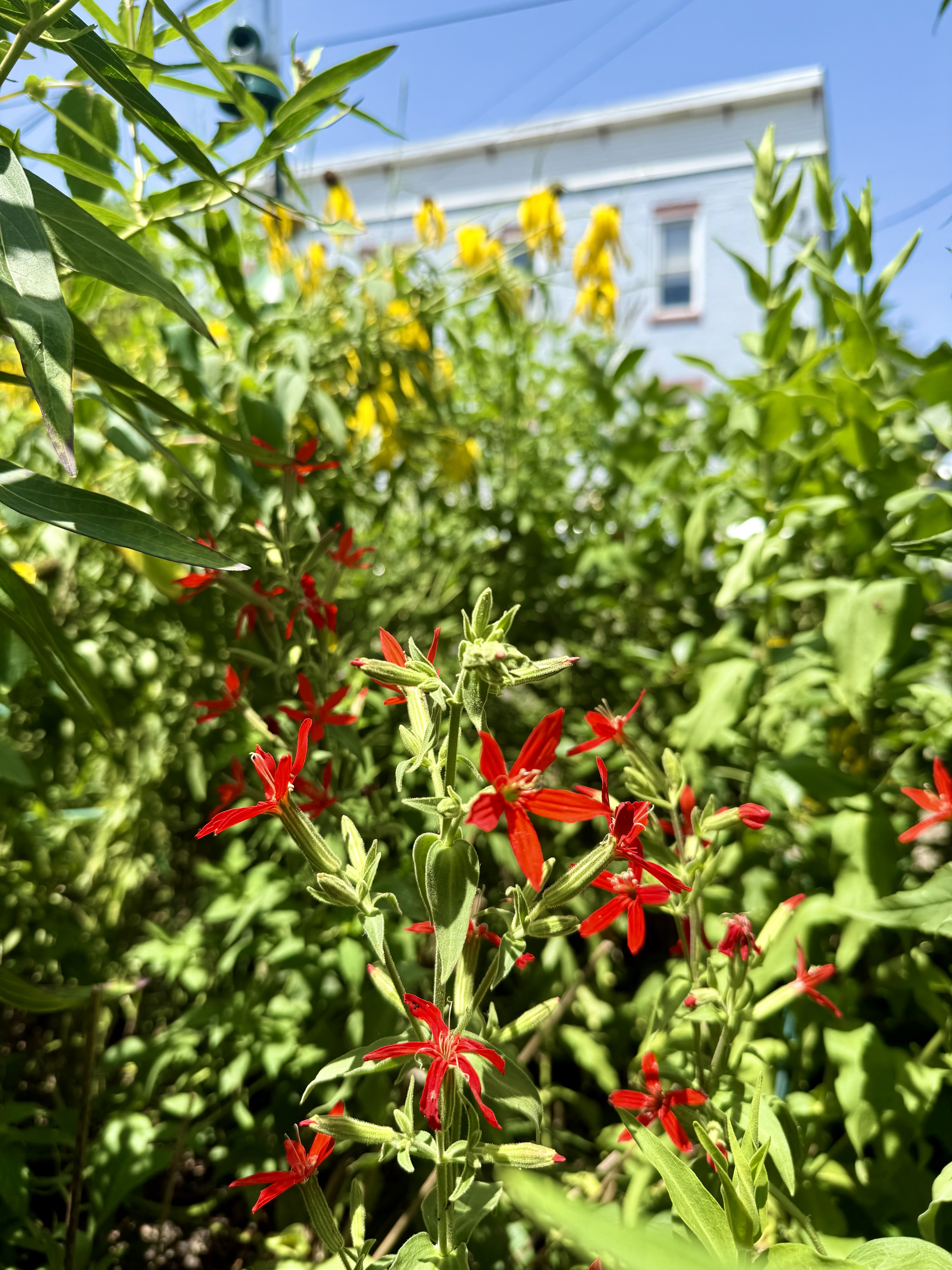
Royal Catchfly
Silene regia
.jpeg)
Summertime Garden
Bee Balm, Ironweed, & Rosinweed
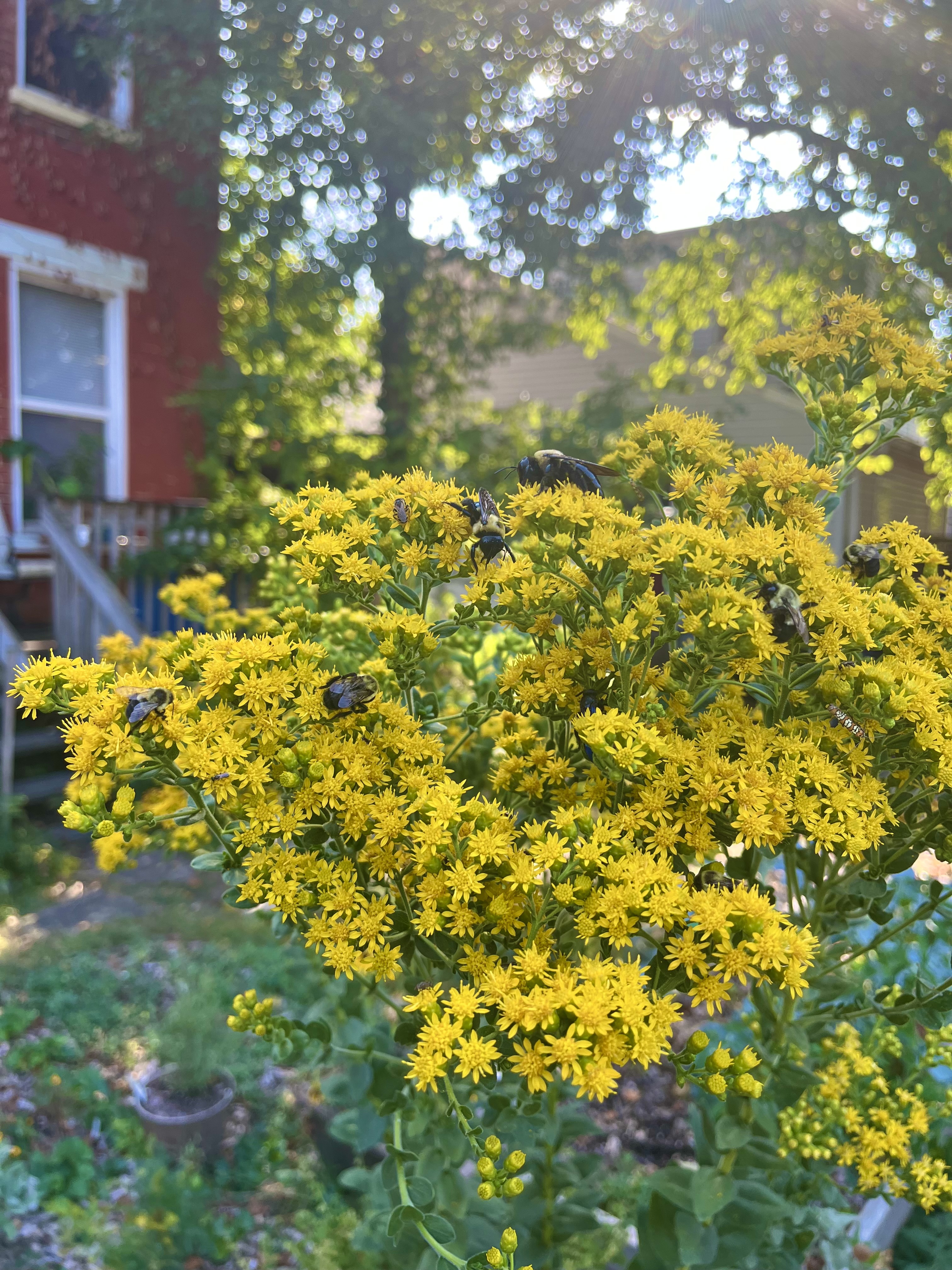
Stiff Goldenrod
Solidago rigida
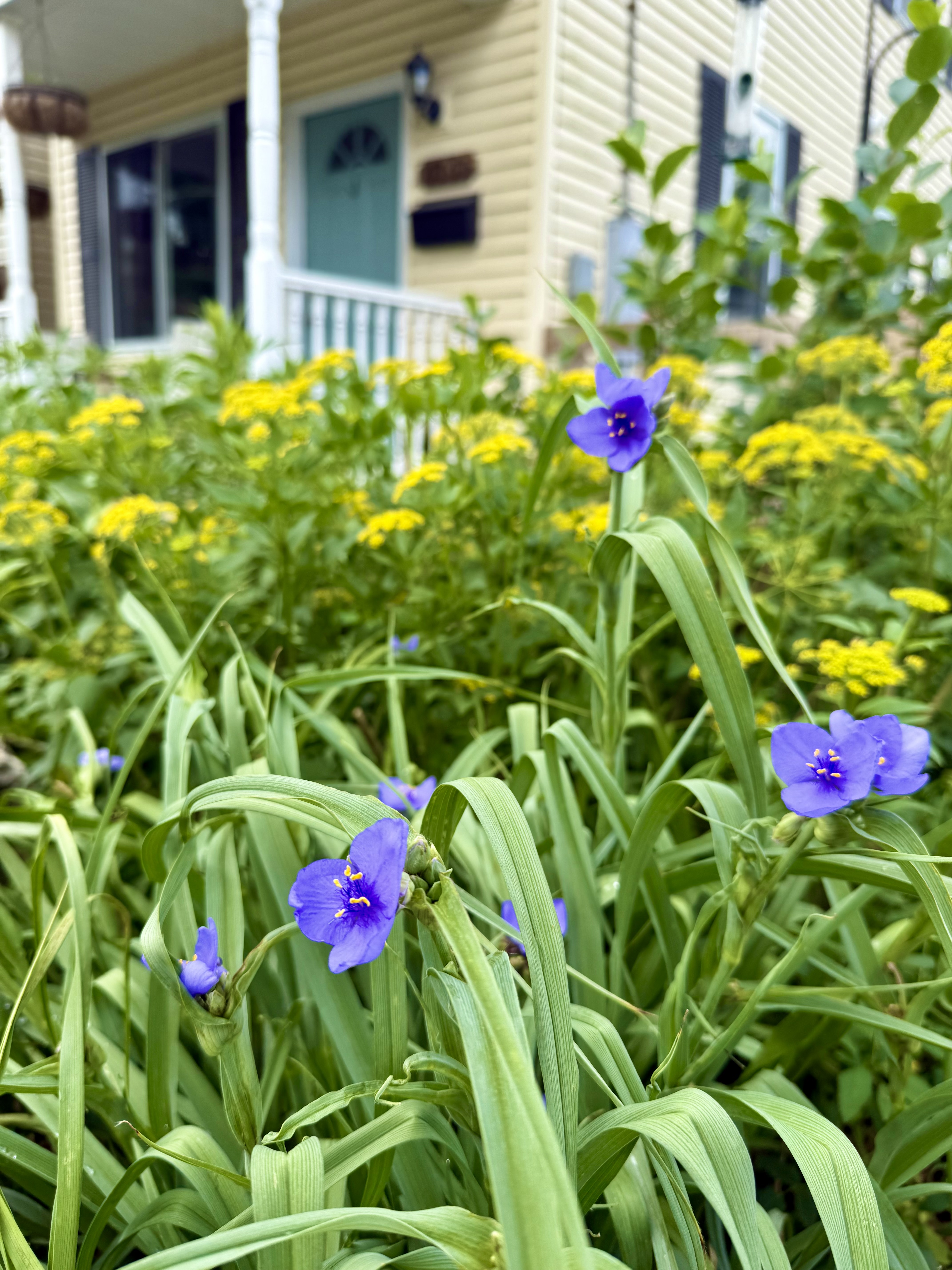
Spiderwort & Golden Alexanders
Tradescantia ohiensis & Zizia aurea
.jpeg)
Evening Primrose & Bee Balm
Oenothera biennis & Monarda fistulosa
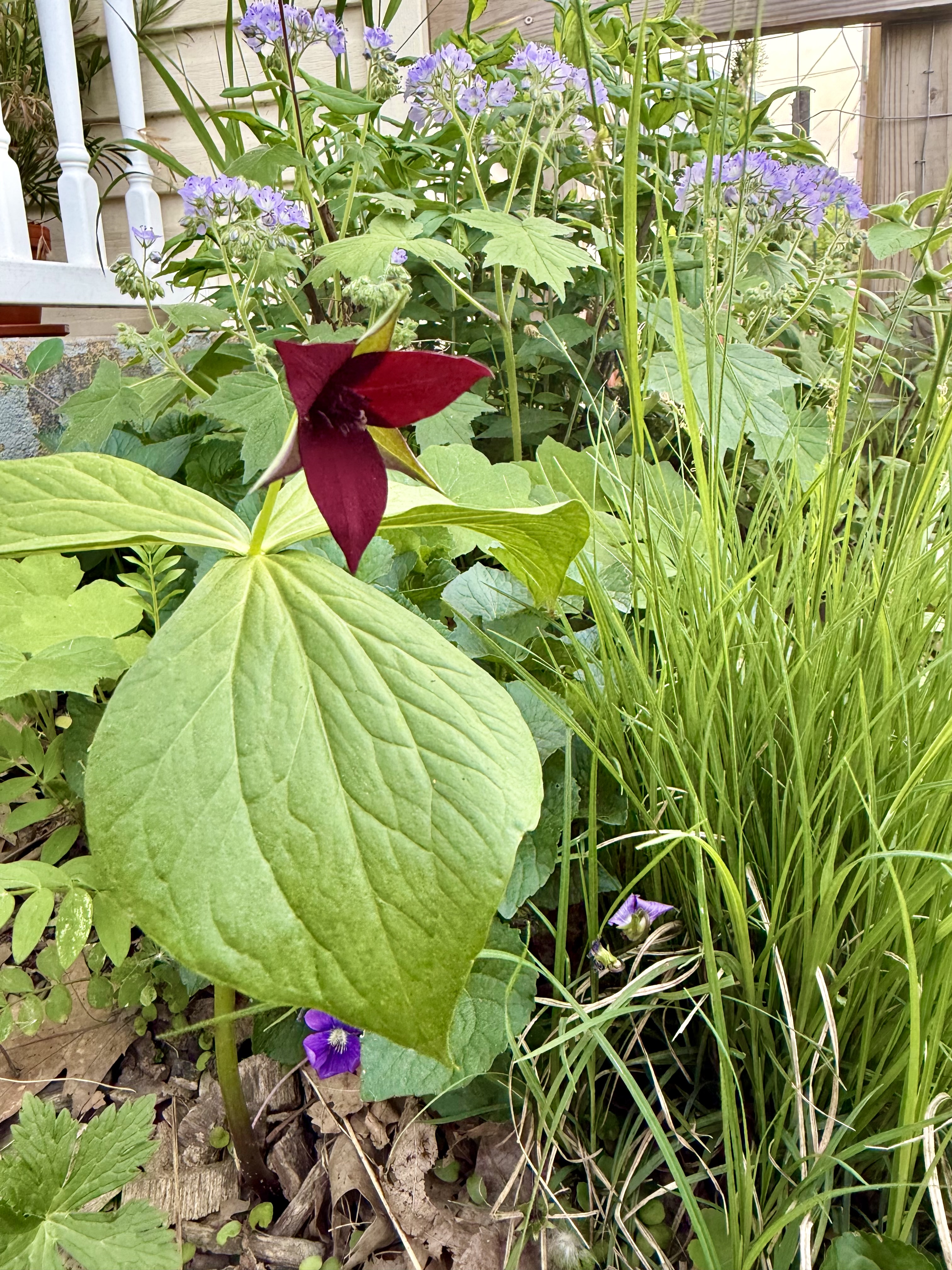
Red Trillium
Trillium erectum
.jpeg)
Pocket Prairie
Bee Balm, Big Bluestem, & Grey-headed Coneflower
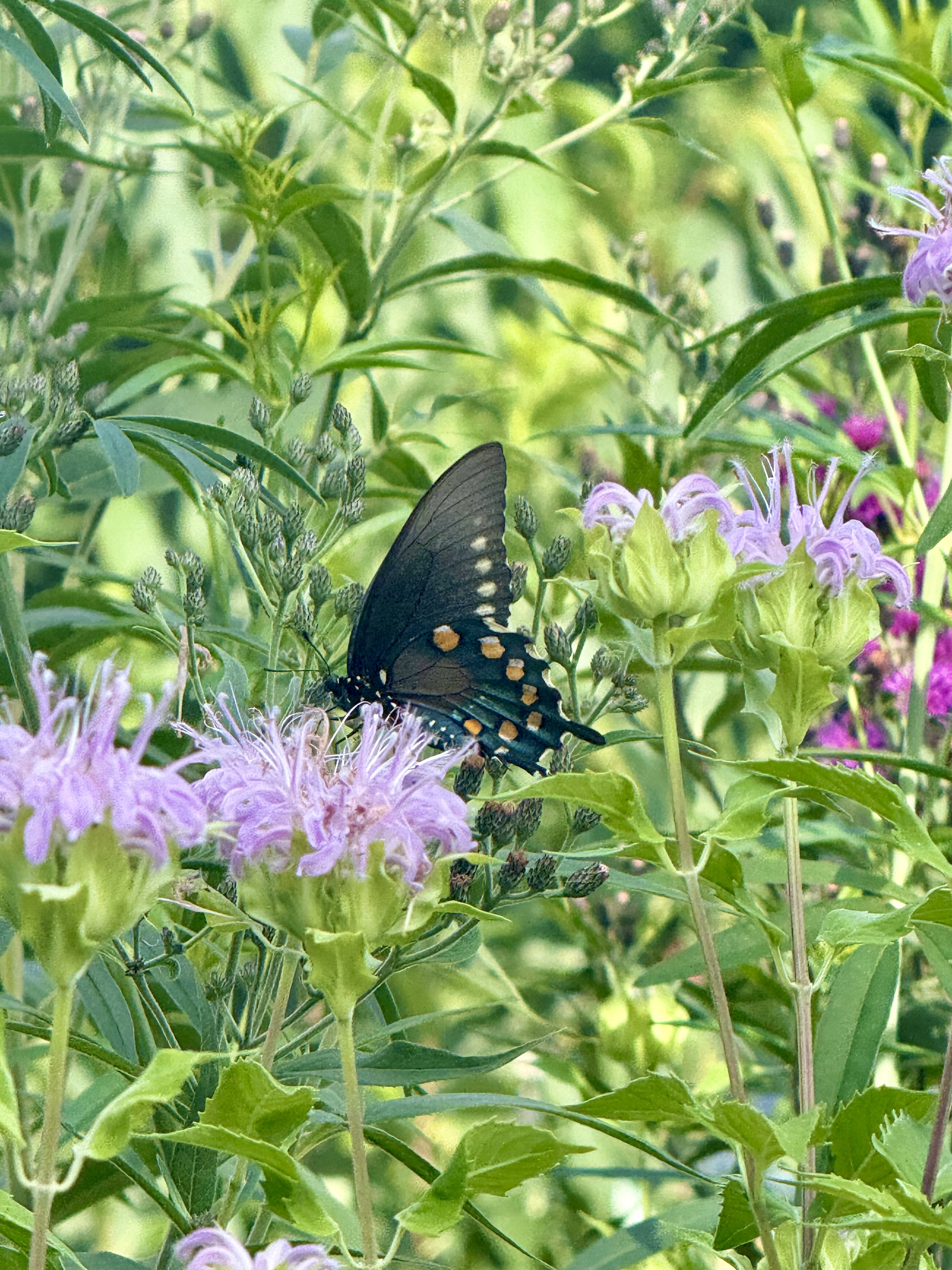
Pipevine Swallowtail on Monarda
Battus philenor on Monarda fistulosa
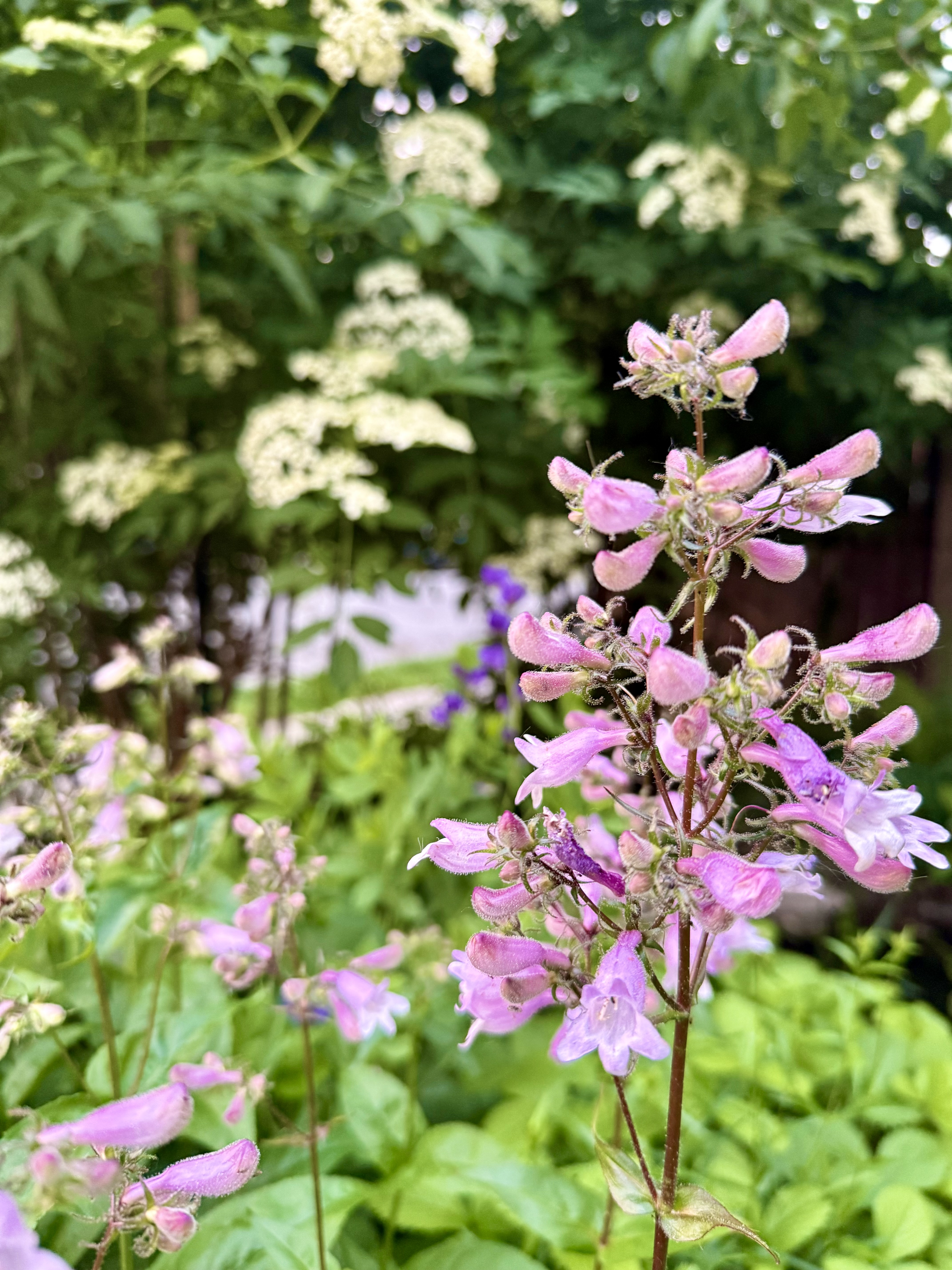
Penstemon & Elderberry
Penstemon digitalis & Sambucus canadensis
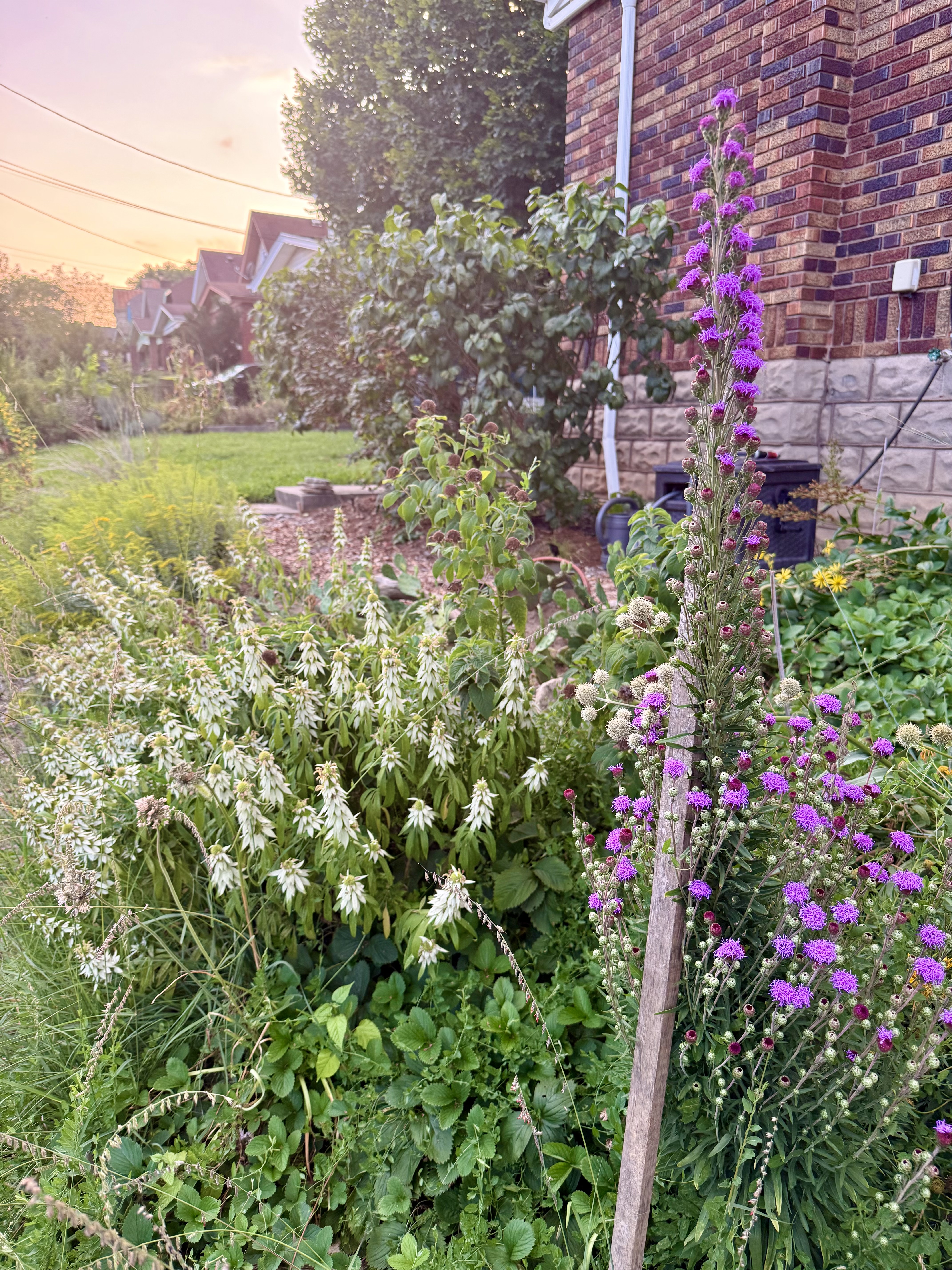
Dry Slope Garden
Liatris aspera & Monarda punctata
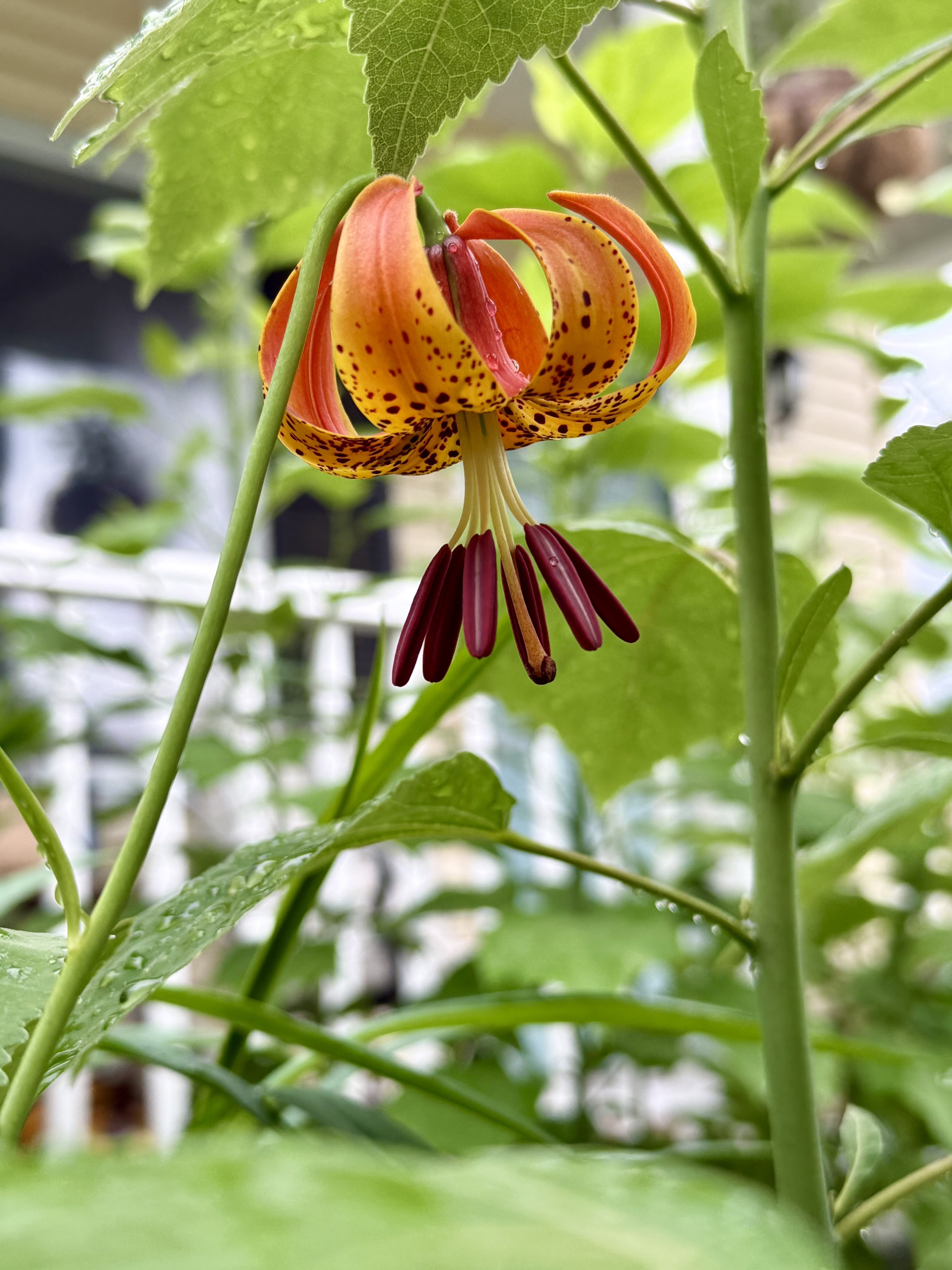
Michigan Lily
Lilium michiganense
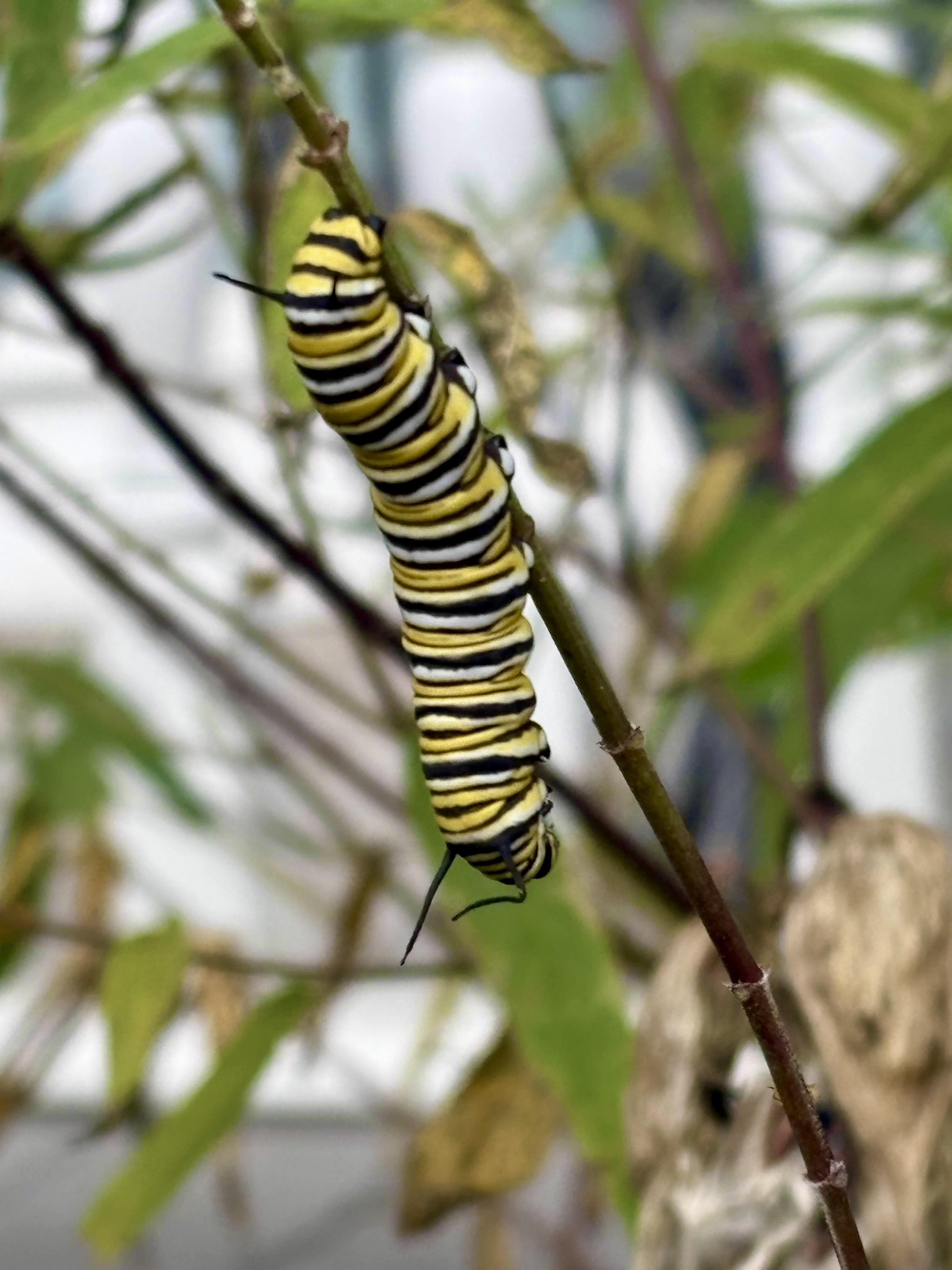
Monarch Caterpillar
Danaus plexippus on Asclepias
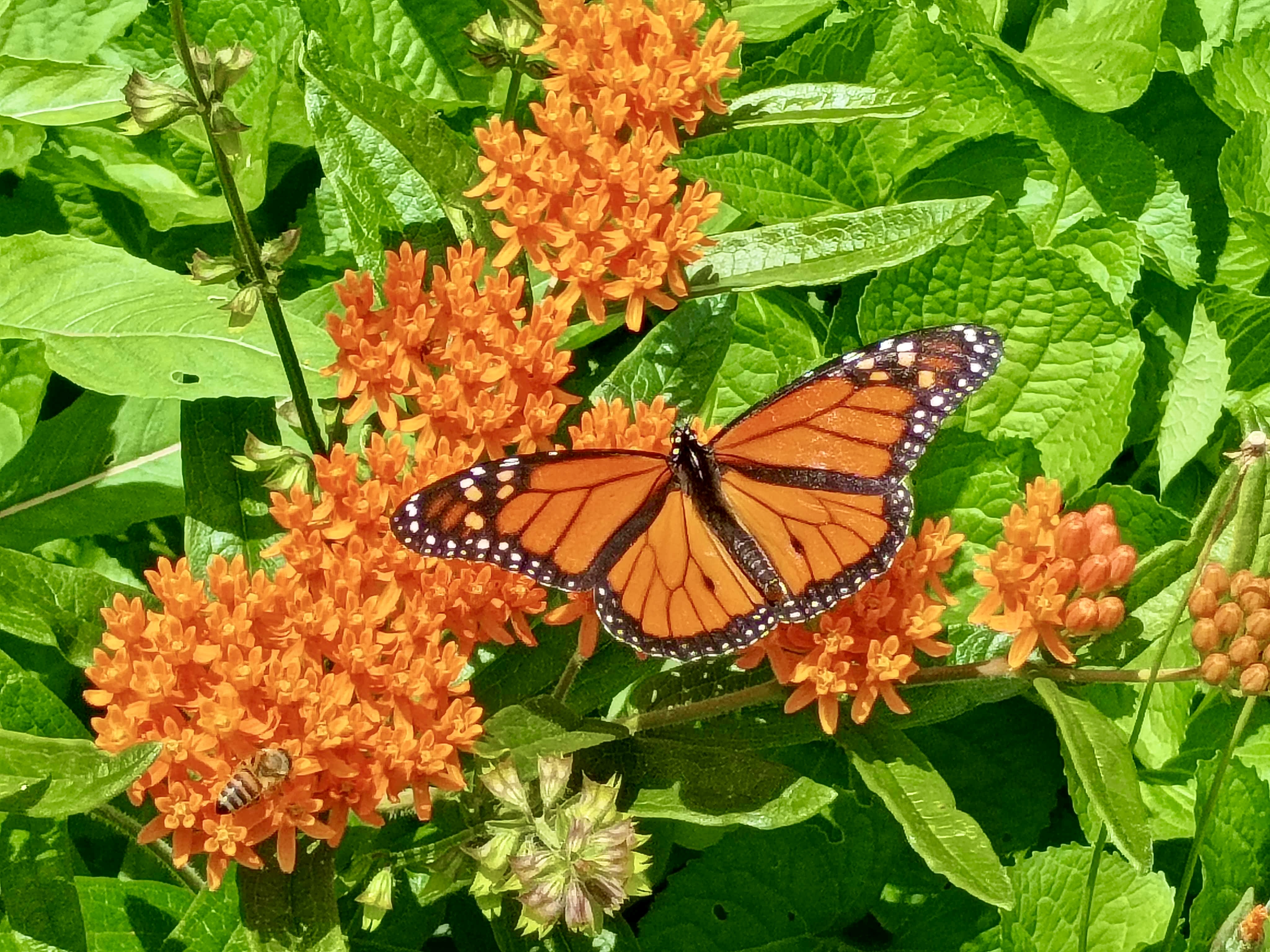
Monarch on Butterfly Milkweed
Danaus plexippus on Asclepias tuberosa
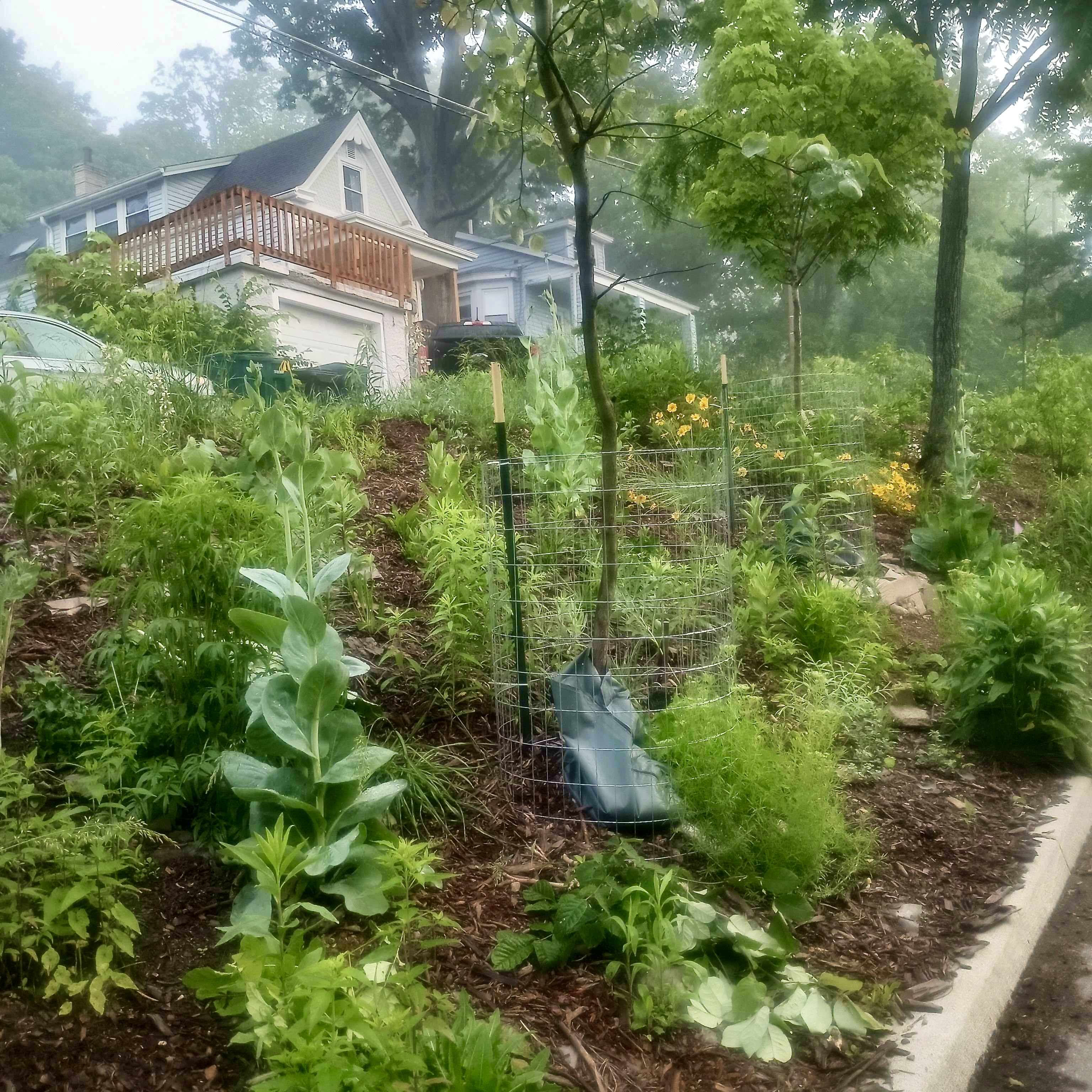
Langland Wildway
Urban Parkway Meadow
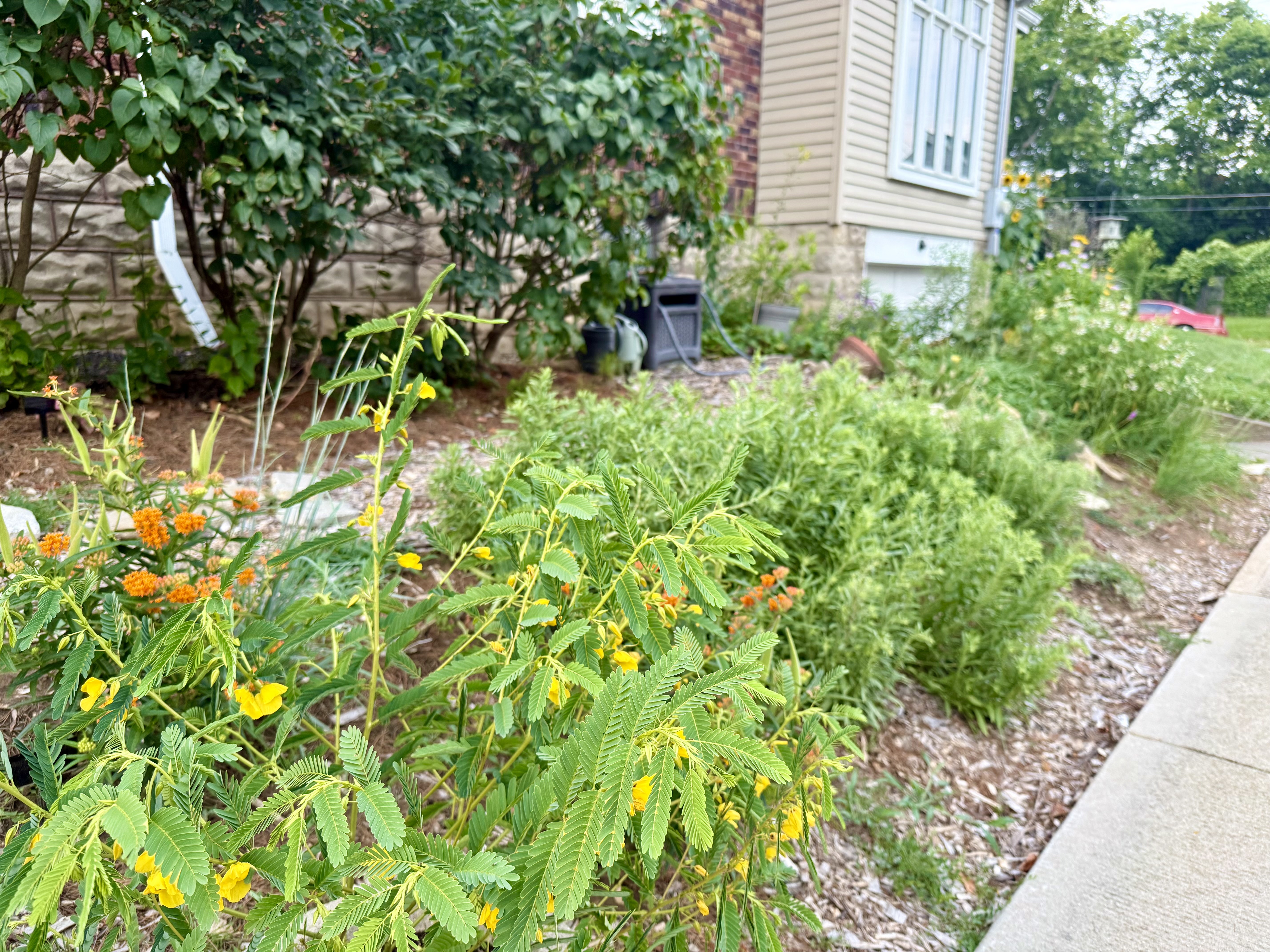
Yard Habitat
Asclepias tuberosa & Chamaecrista fasciculata
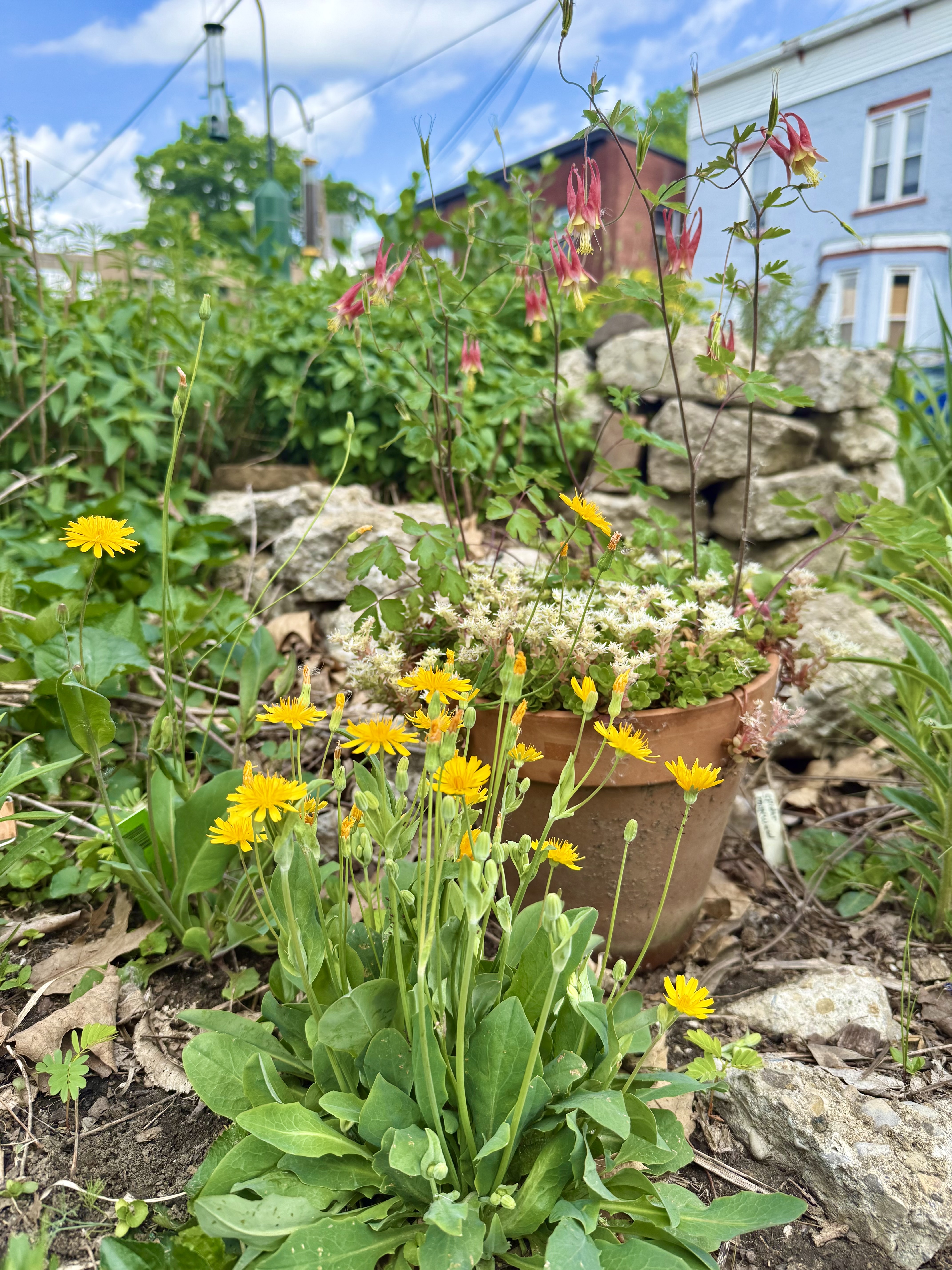
Krigia, Stonecrop & Columbine
Krigia biflora, Sedum ternatum & Aquilegia canadensis
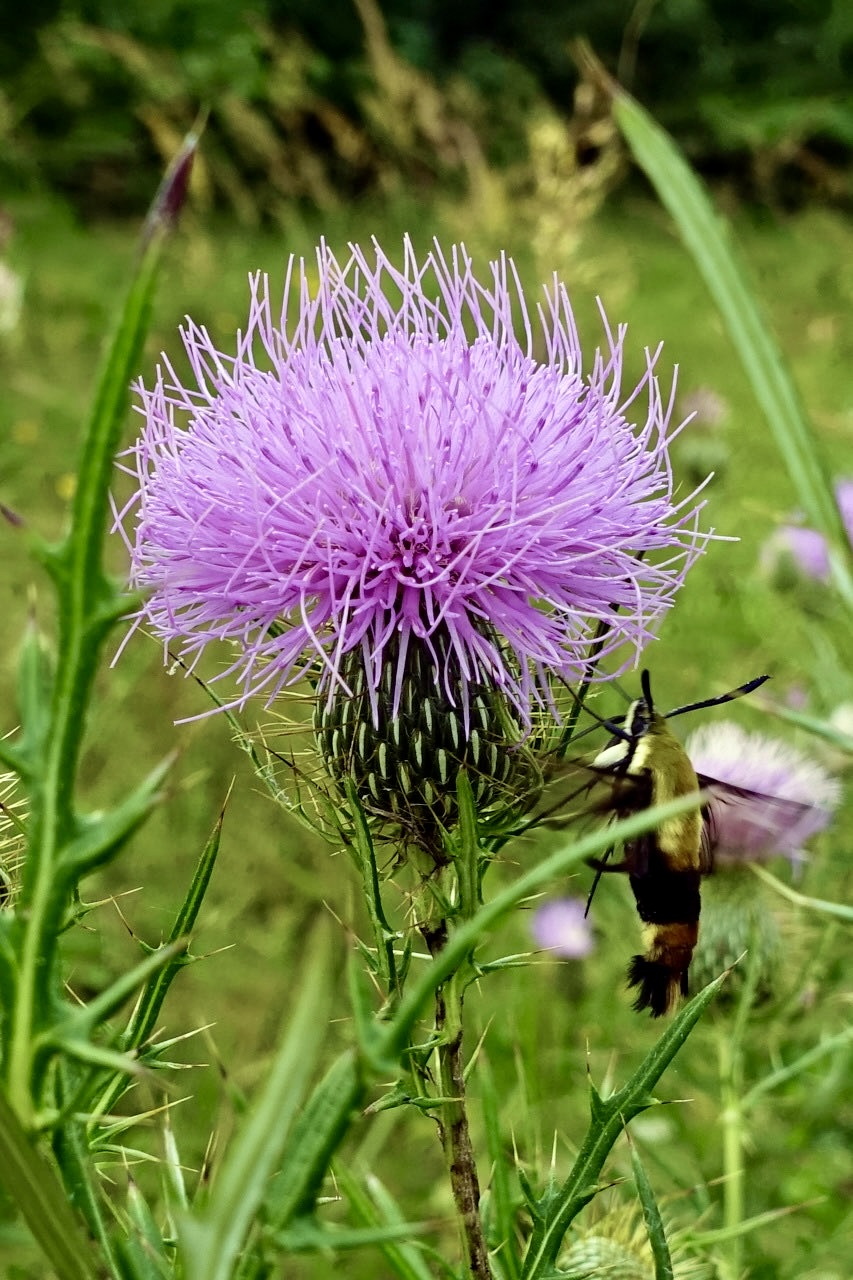
Field Thistle & Hummingbird Moth
Cirsium discolor & Hemaris thysbe
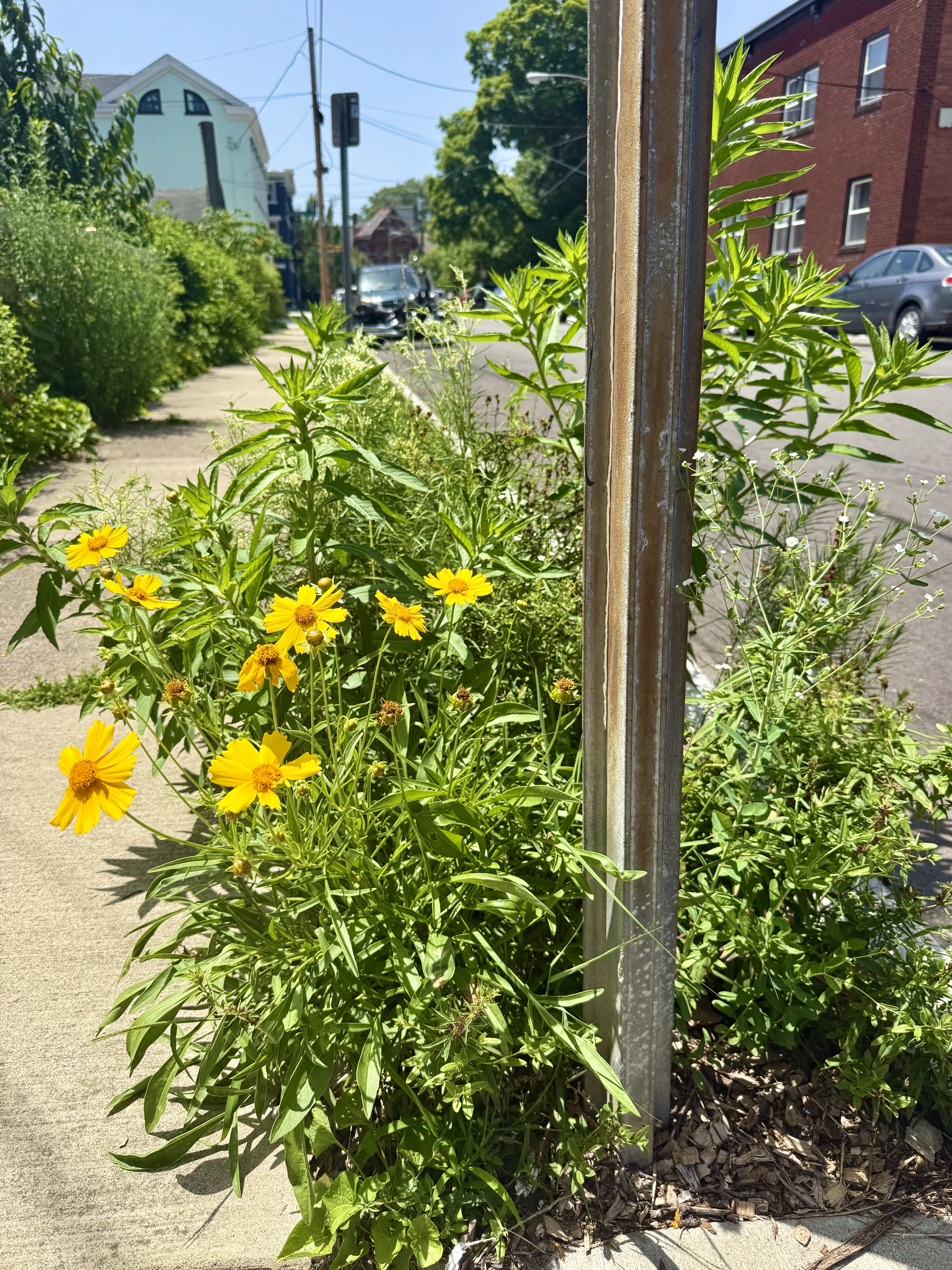
Lanceleaf Coreopsis
Coreopsis lanceolata
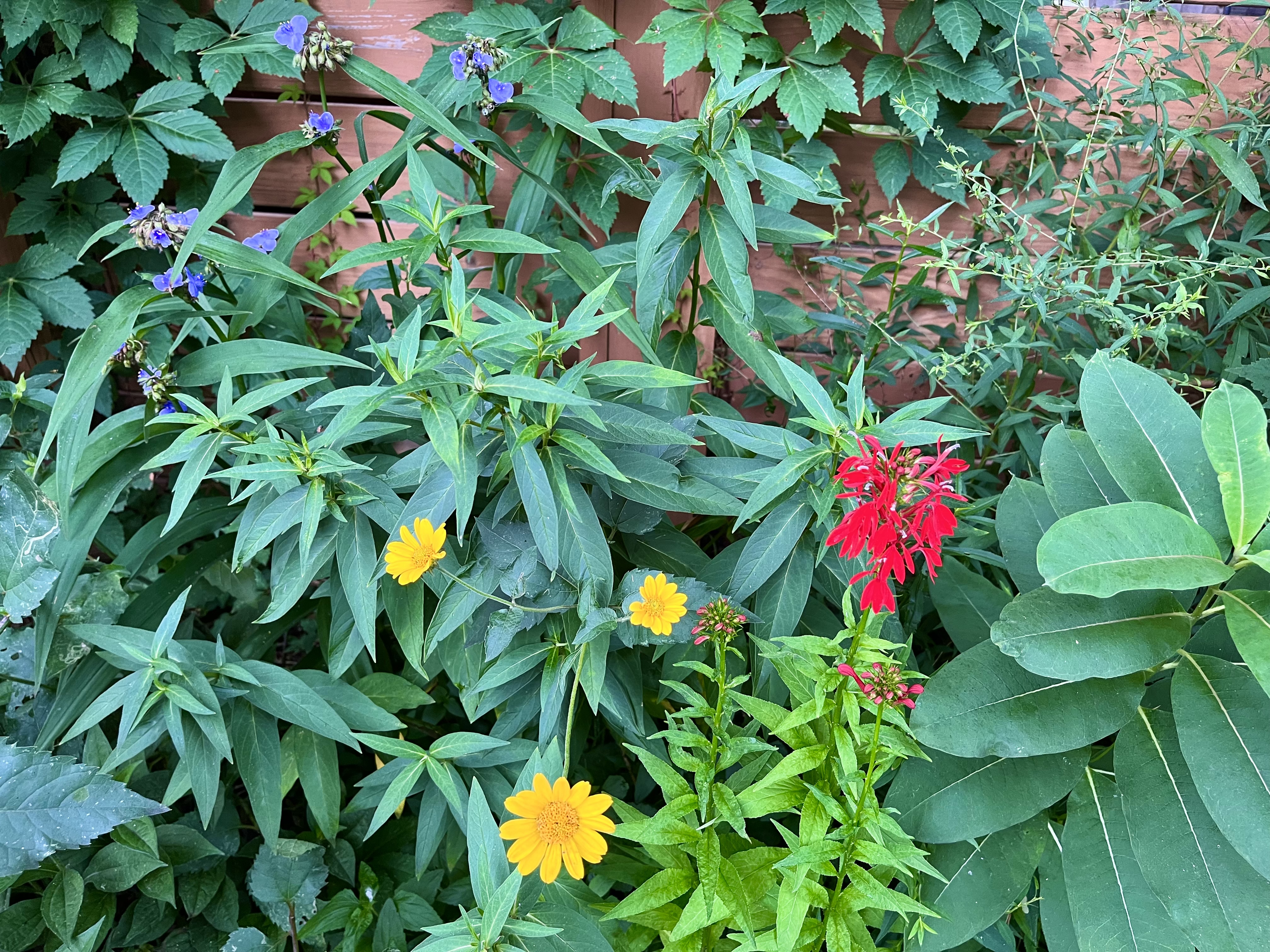
Cardinal flower & False Sunflower
Lobelia cardinalis & Heliopsis helianthoides
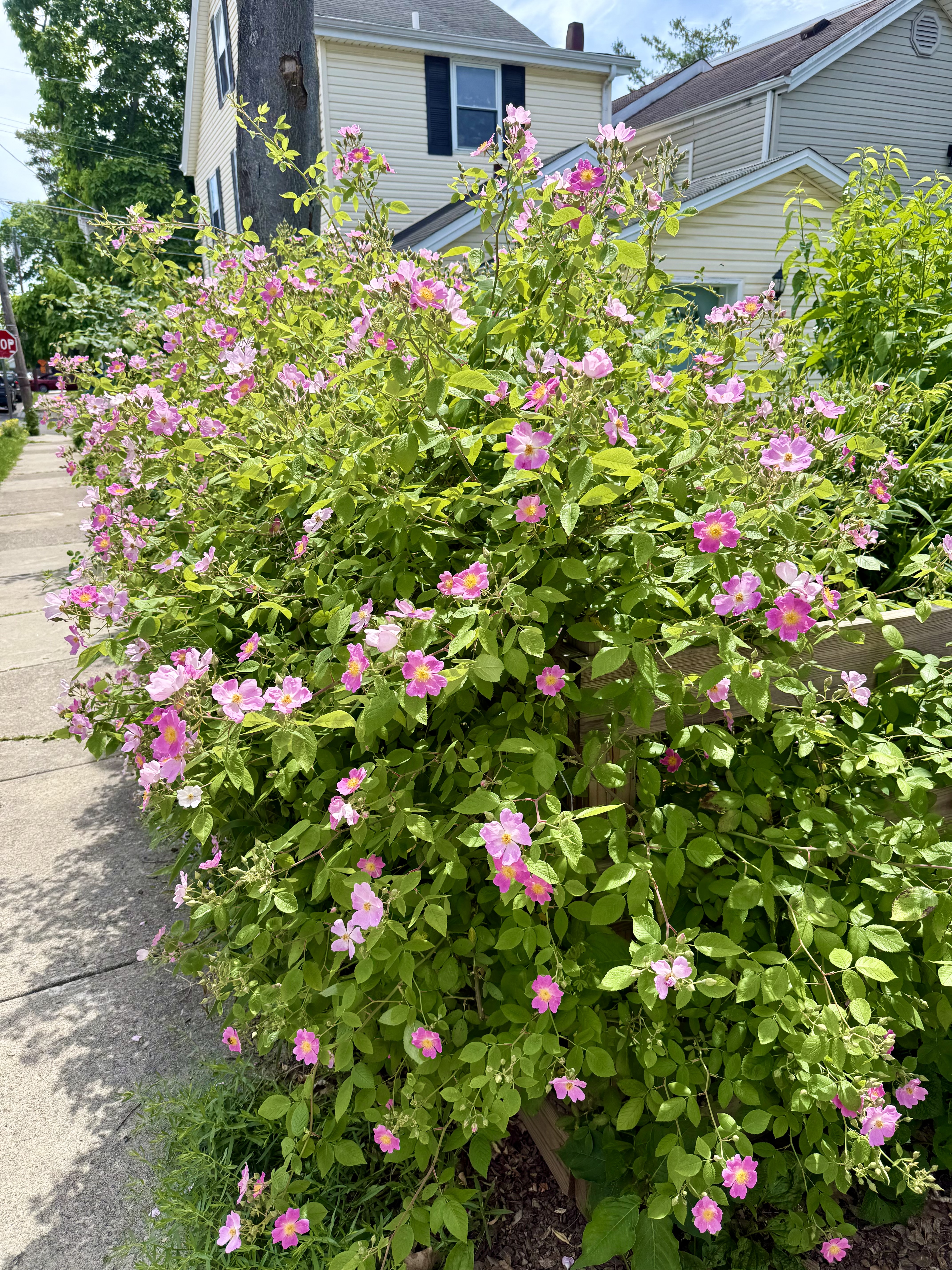
Prairie Climbing Rose
Rosa setigera
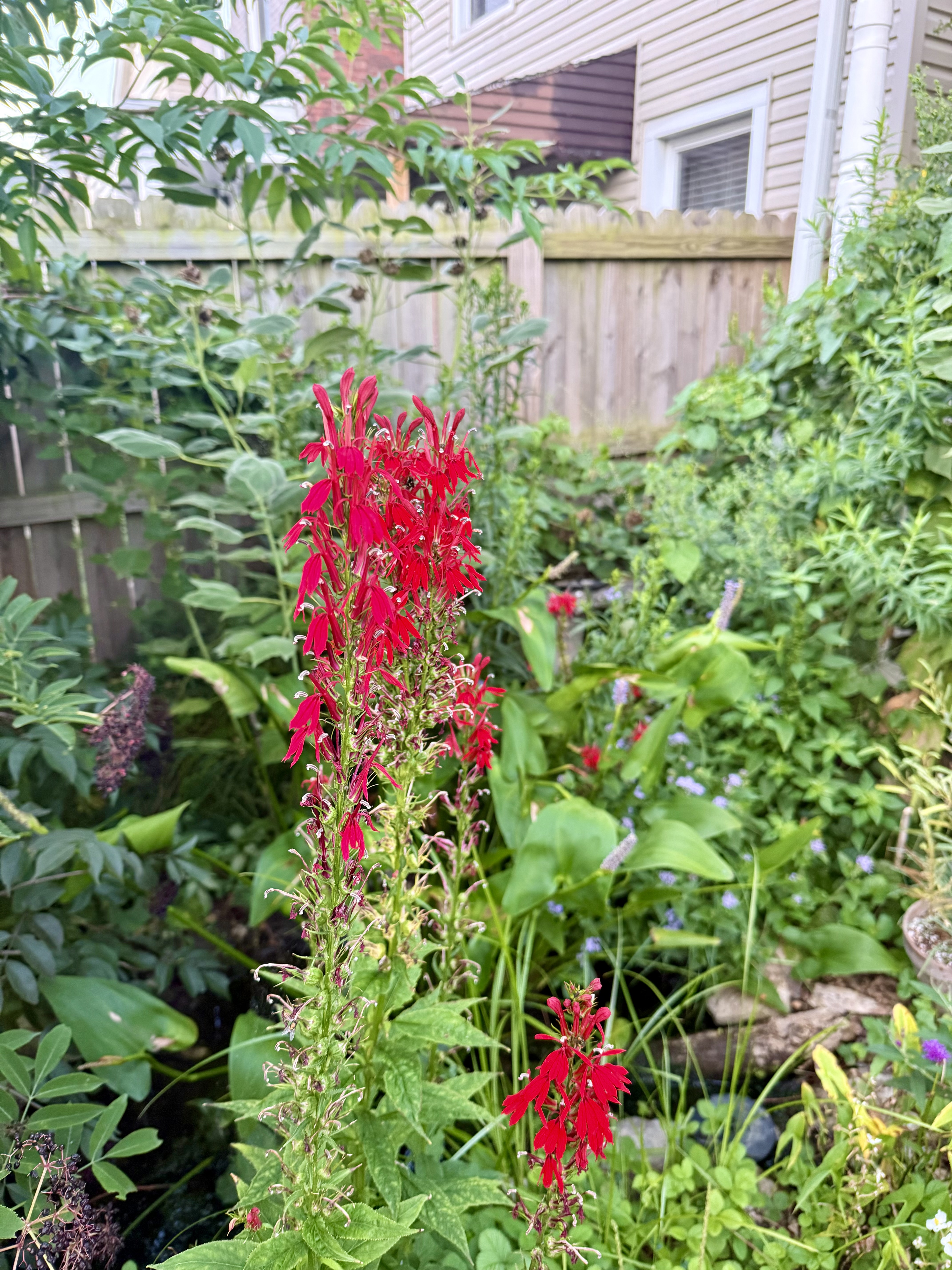
Cardinal Flower & Pickerelweed
Lobelia cardinalis Pontederia cordata
Resource Hub
External Resources
Check out these other great organizations
| Partner Name | Primary Focus | Location |
|---|---|---|
| Northside Greenspace | Ecological Restoration | Northside |
| Keystone Flora | Native Plant Nursery | Winton Hills |
| Nature's Ark Photography | Native Plant Nursery | Winton Woods |
| Civic Garden Center | Community Education and Nursery | Corryville |
| Taking Root | Tree Propagation and Reforestation | Cincinnati |
| Home Grown National Park | Citizen-led Rewilding Initiative | Nationwide |
Featured Propagation List
WILD CITYPartial list, updated regularly. We grow over 85 species of native plants!
| Native Species | Common Name |
|---|---|
| Asclepias incarnata | Swamp Milkweed |
| Blephilia ciliata | Downy Woodmint |
| Juncus tenuis | Path Rush |
| Lobelia cardinalis | Cardinal Flower |
| Penstemon digitalis | Foxglove Beardtongue |
| Schizachyrium scoparium | Little Bluestem |
| Solidago nemoralis | Gray Goldenrod |
| Symphyotrichum Novae-Angliae | New England Aster |
Project Documents
Reach Out to the Project
Want to transition your landscape to native plants, join our propagation network, or start a chapter in your neighborhood? Send us a message below.
Coordinator Directory
We will respond within 72 hours.
Upcoming Events
Stayed tuned for our next event.